
Update: The article was published on August 18th in the morning (8 AM GMT). Since then, the favicons for Wikipedia and HPE have been restored. It’s unclear whether this signals that the issue is being addressed or if it’s just a temporary fix. We’ll continue to monitor the situation.
Key Takeaways:
- Favicons Missing on Major Sites: High-profile domains, including government and corporate websites, are missing favicons in Google search results.
- Trust Issues: Missing favicons hurt user trust and can drive traffic to competitors.
- Google’s Lack of Specific Alerts: While Google Search Console provides some monitoring tools, it doesn’t specifically notify webmasters about missing favicons, leading to potential unnoticed issues.
- Ad Credibility: Missing favicons in Google ads reduce click-through rates and waste ad spend.
- Urgent Need for Google Action: Google needs better tools and alerts to ensure favicons are consistently displayed.
Overview#
Our recent research uncovered a significant issue: favicons—the small but crucial icons that appear in browser tabs and Google search results—are disappearing from some of the world’s most popular websites. A favicon is the tiny image you see next to a website’s name in your browser tab or search results; it’s a small but essential part of online branding.
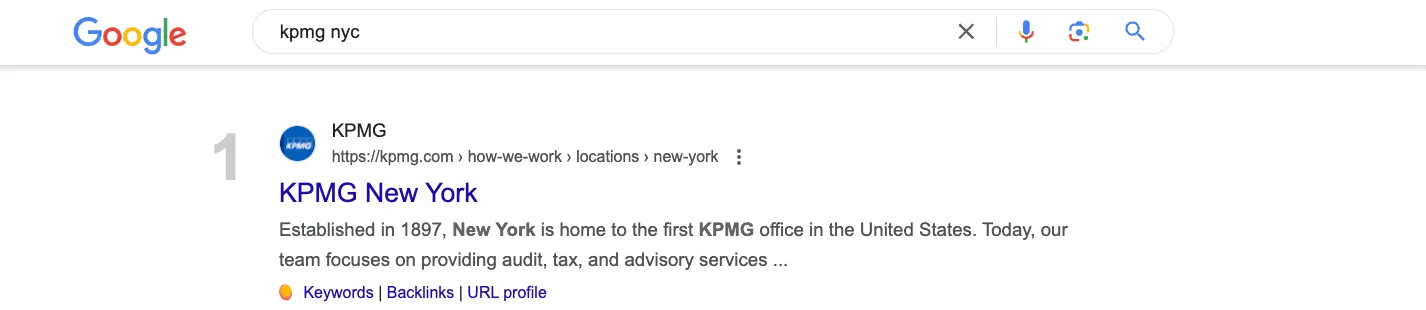
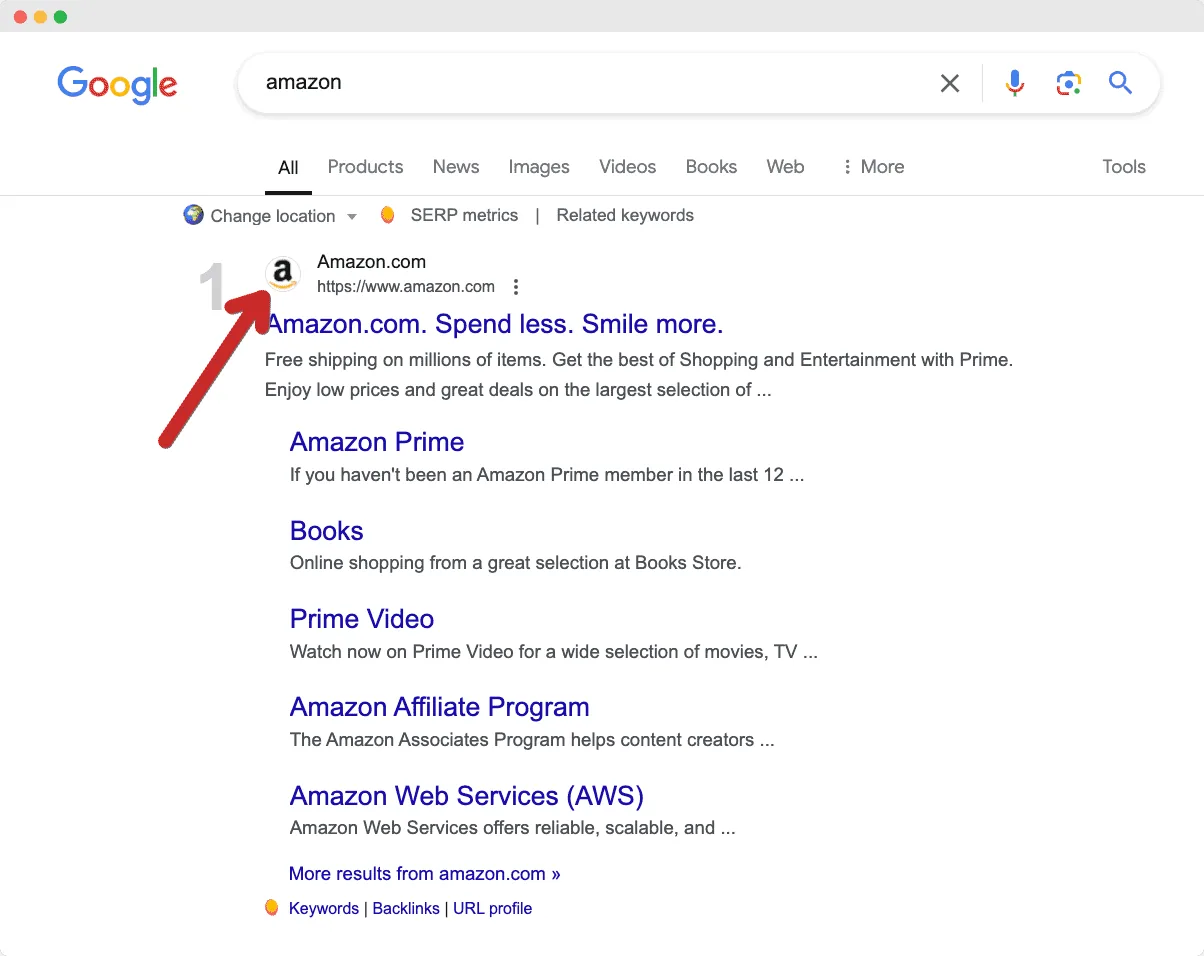
Here’s an example of how favicons normally appear in search results:
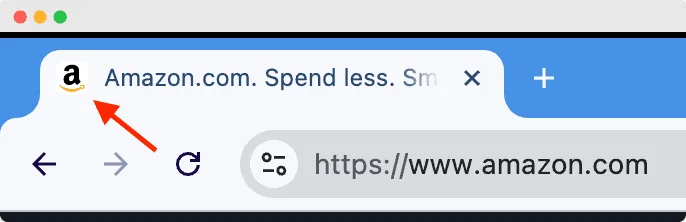
And this is how it looks on the website itself:
We’re so used to seeing favicons that when they’re missing, it immediately looks suspicious. This isn’t just a minor inconvenience. With cyber threats and phishing attacks on the rise, a missing favicon can make even the most trusted sites seem untrustworthy. Users are more cautious than ever, and without that familiar icon, they’re likely to question the legitimacy of a site and move on to another result.
The impact? Potentially massive, affecting some of the internet’s most visited domains.
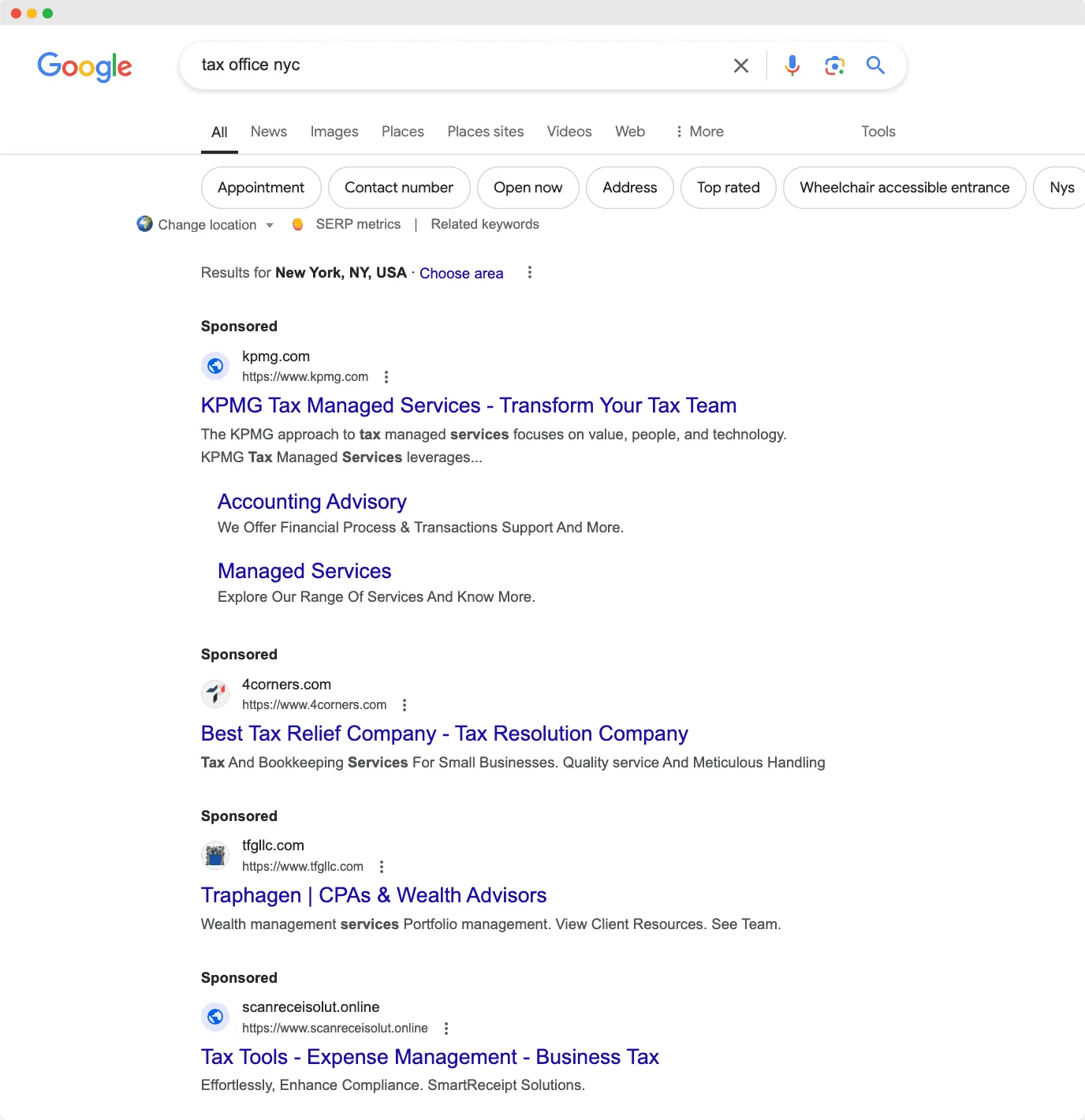
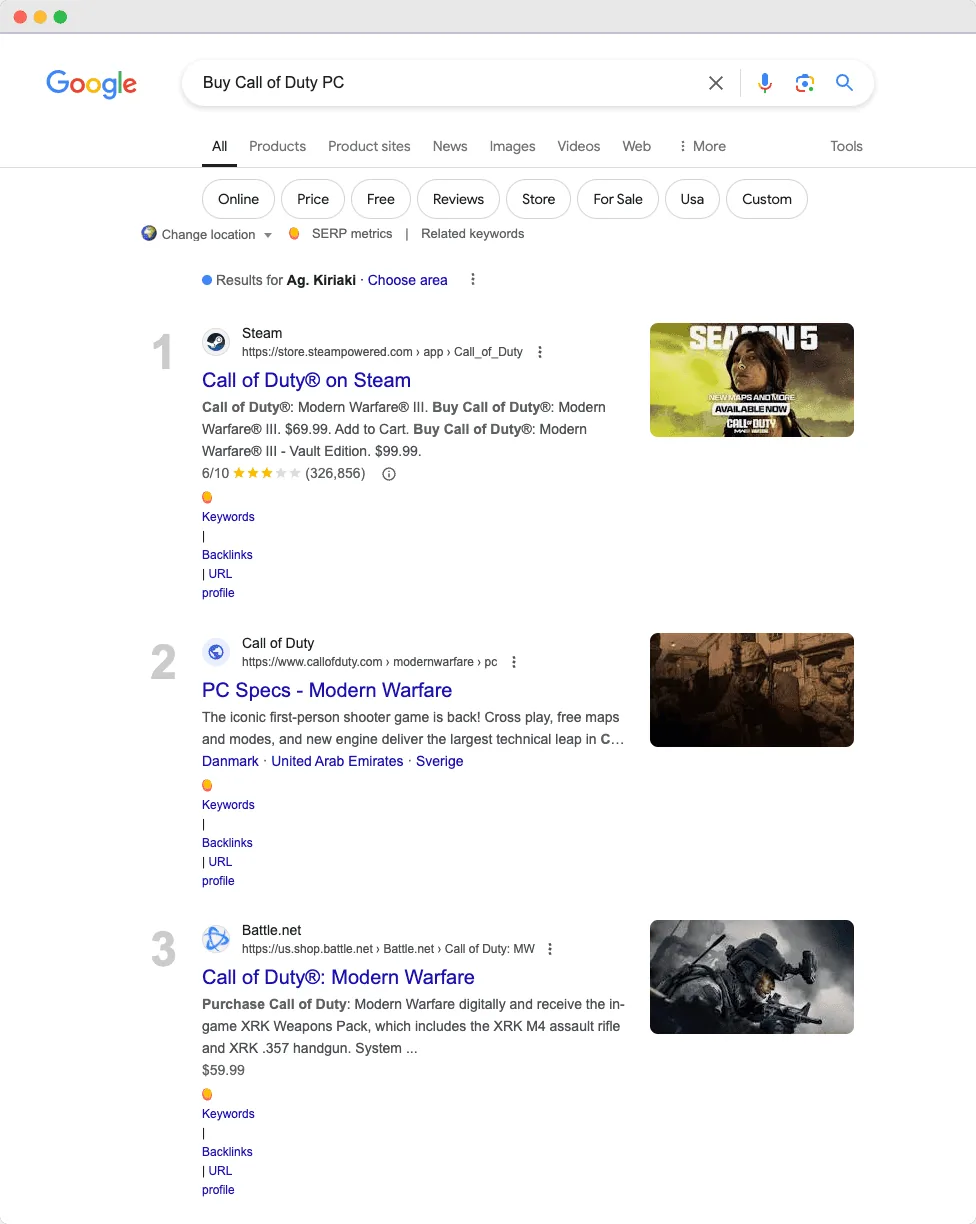
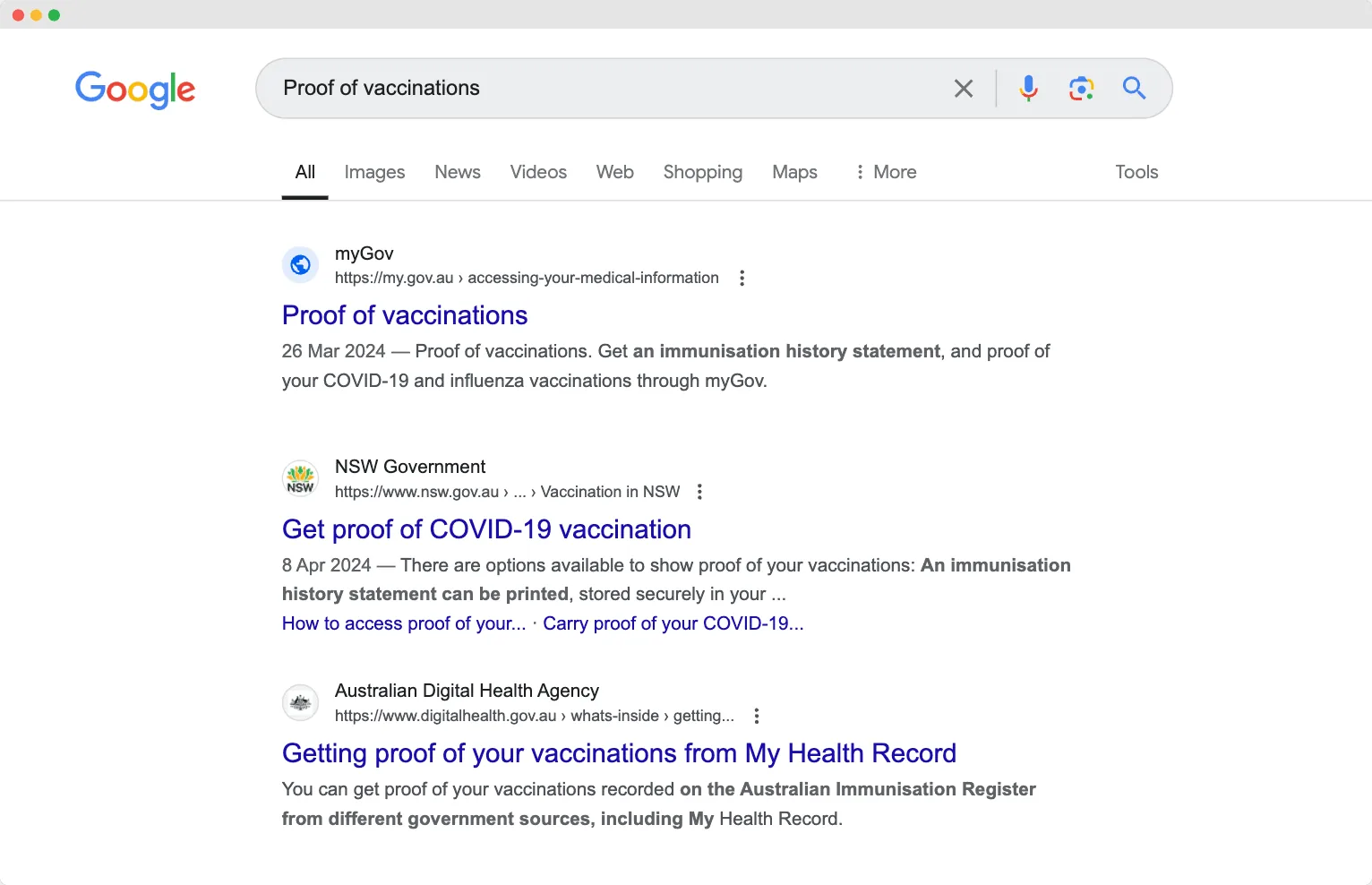
Below are a few examples of missing favicons in Google search results:
Example 1:
Example 2:
Example 3:
Here’s another significant example—this issue isn’t just affecting external sites; it’s also impacting Google’s own products:
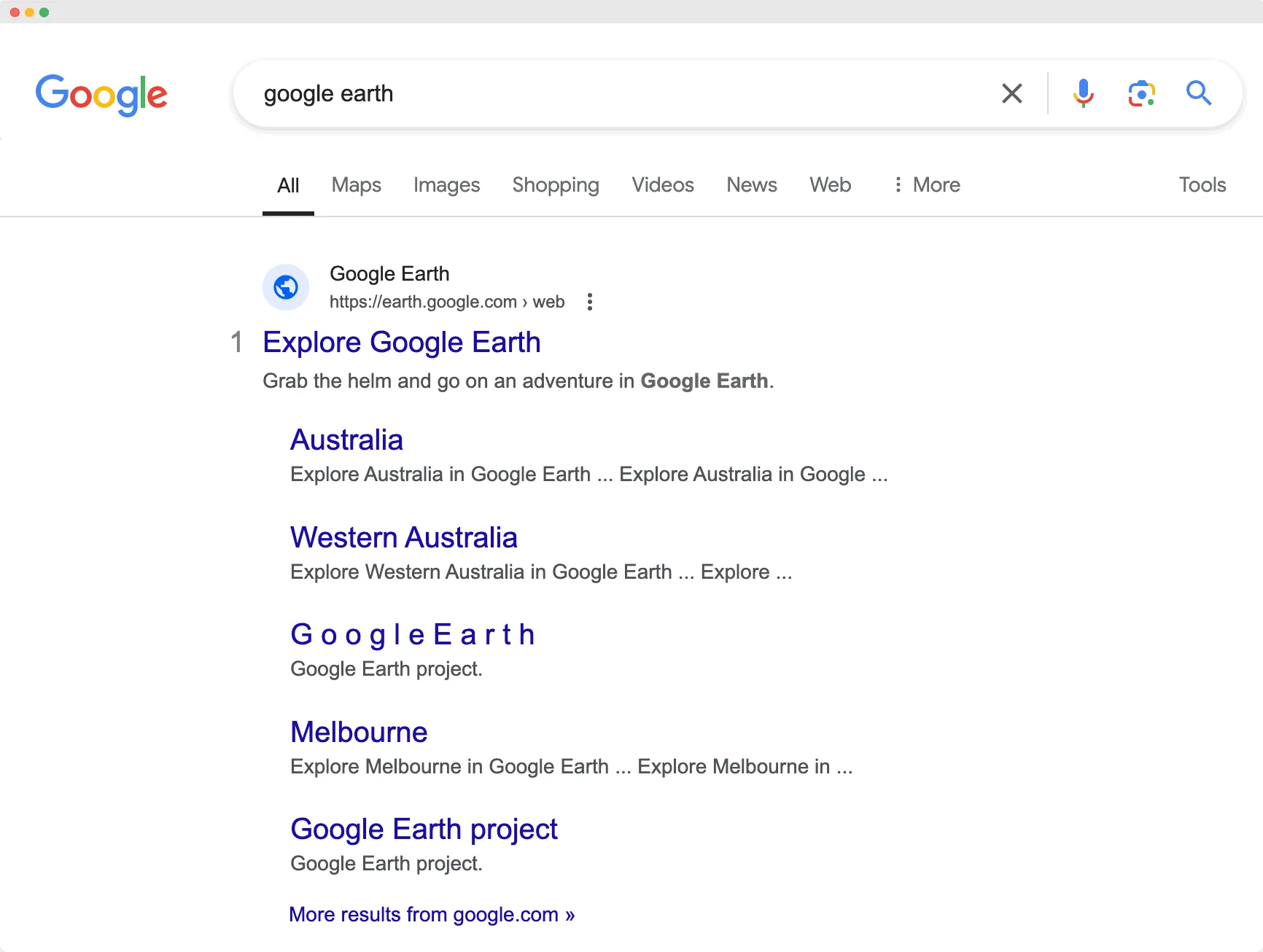
Our analysis, based on extensive research involving thousands of different keywords on Google and reviewing the top 100 results for each, reveals that this problem is becoming increasingly widespread. Despite its scale, we believe this issue is not being properly addressed by Google. This can hurt businesses by lowering traffic and making users question the legitimacy of even well-known companies.
The Role of Favicons in Brand Trust and User Experience#
Favicons, though small, play a crucial role in how users perceive and interact with websites. Their absence can lead to:
- Brand trust issues: Users expect to see familiar favicons alongside well-known websites. A missing favicon can create doubts about the site’s authenticity, making users hesitant to engage.
- Security concerns: Without a favicon, users might suspect that the site is a phishing attempt or an untrusted source, leading to concerns about security.
- Reduced engagement: The hesitation caused by a missing favicon can lead users to choose another search result, directly impacting website traffic and user engagement.
This problem isn’t just affecting small, unknown websites; it’s hitting some of the biggest and most well-known sites across different industries. Some of the major sites affected include:
- Google Earth
- Call of Duty
- Skype
- New York State Government
- Mercedes-Benz USA
- BNP Paribas
- Subway
- PayPal
- Citigroup
- Stop & Shop
- ITA Airways
These are just a few examples, but the issue extends far beyond this list, affecting many other prominent domains.
For a deeper dive into the scope of this issue, we’ve compiled a detailed spreadsheet with a comprehensive list of some of the affected domains we’ve found:
#
Google’s Role and Lack of Communication with Webmasters#
A major issue here is Google’s failure to keep website owners informed about favicon problems:
- No Notification System: Google doesn’t alert webmasters when their favicon is missing from search results, leaving them unaware. Without this knowledge, companies might go for extended periods with a missing favicon, which can weaken user trust.
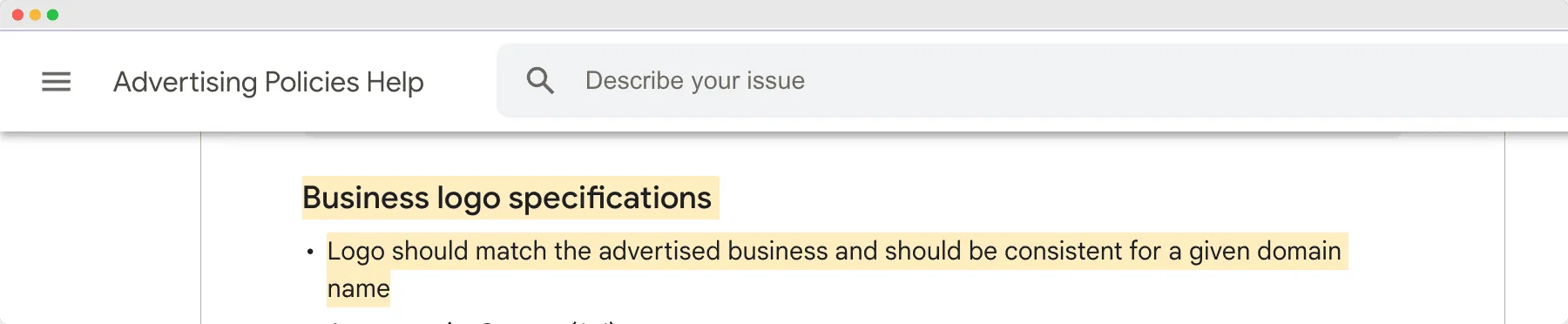
- Limited Tools in Google Search Console: Google Search Console is a tool that helps website owners monitor and maintain their site’s presence in Google search results. However, it doesn’t offer easy options for adding or managing favicons. There’s no simple way to check if a favicon meets Google’s guidelines, and there are no alerts if something goes wrong. Because of this, favicons—despite being important—can be overlooked. If a favicon isn’t set up correctly or disappears due to a minor issue, website owners often don’t realize until it’s too late.
- Loss of Control Over Branding: Without specific alerts, companies might only discover a missing favicon after it’s caused issues. While fixes can sometimes be implemented quickly, the process may vary, and updates in Google’s index might not be immediate